

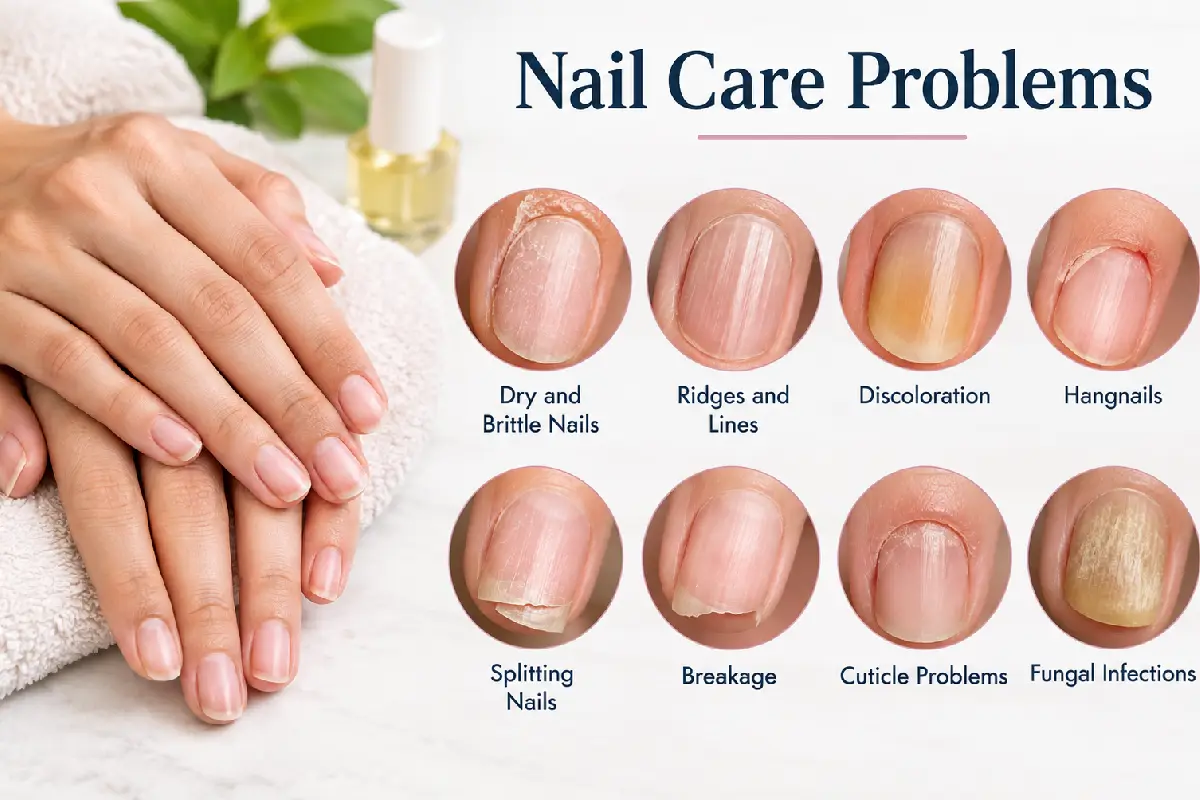
Nail Care Problems: Common Causes, Solutions, and Prevention
Last Updated: September 21, 2026
Nail Care Problems: Most of us don’t think to look at our nails unless they’re abnormal in some way – we notice when we see peeling, breaking, or splitting; when we observe notched or ridged nails; or nails that look rough. In many cases, this is related to your lifestyle or, if it’s a long-term nail change, a related skin or health condition.
And by learning what you need to look for, you can help your nails to stay happy – the best news is, most everyday nail problems can be reduced through the right care, management, and persistence.
What Are Common Nail Care Problems?
Problems of the Nails: Nail problems are changes that affect the color, texture, strength, or character of the fingernails or toenails. They may result from wetting the nails many times, water, soaps, nail cosmetics, mechanical injury, and biting or picking at the nails. Some are temporary, but others persist for weeks or months.
| Nail Problem | What It May Look Like |
| Brittle nails | Nails that crack, chip, or snap easily |
| Weak nails | Thin nails that bend or feel soft |
| Dry nails and cuticles | Rough nails with dry, flaky skin around them |
| Splitting nails | Nail layers separating or cracking |
| Rough nails | Uneven or ridged nail surfaces |
| Easily broken nails | Nails that break during normal activities |
That‘s the problem with nail changes; they can and do happen for all kinds of reasons. But this should not put you off seeing someone if you notice unusual or long-term changes that happen abruptly or on several nails.
Brittle Nails
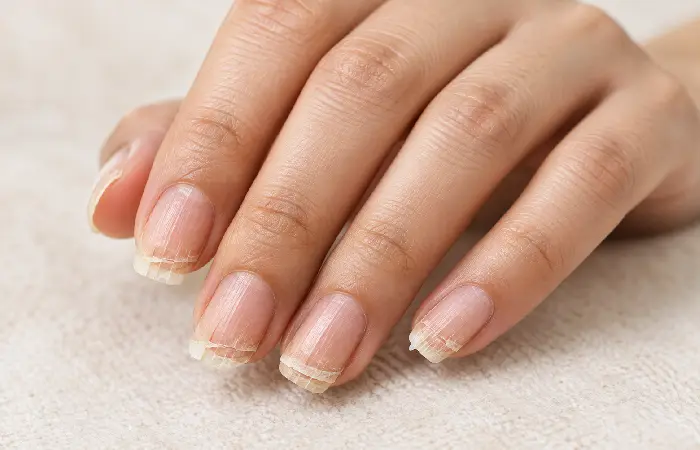
Brittle nails are nails that are dry and brittle and break and crumble easily. Breaks and cracks may occur in the tip of the nail or across the nail. Excessive hand washing, water, detergents, soaps, and excessive use of nail polish remover may all cause dryness.
Using your nails as tools also puts stress on the nails.
Start by keeping the nails short and moisturizing the skin on your hands and the nails themselves. Use gloves while doing the laundry or washing the dishes – try to limit the nails’ repeated exposure to water and various detergents.
Weak Nails
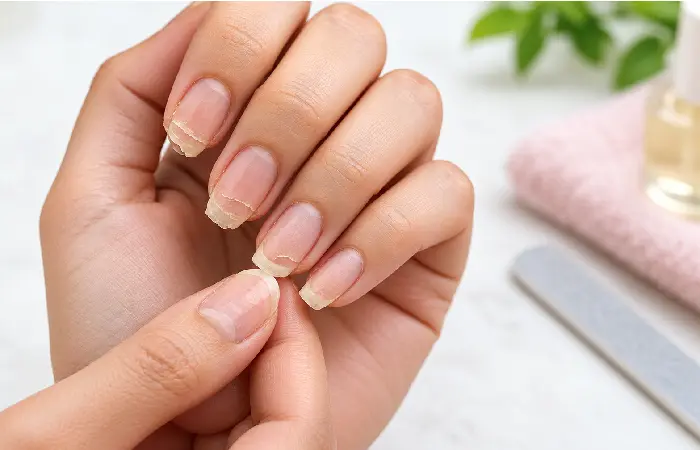
Brittle nails may bend rather than stay hard as they normally do. They may feel very thin and have small cracks with no great force.
Weak nails may be caused by too much filing, harsh manicures, repeated cosmetic procedures, or simple exposure to the environment. Other skin or health conditions can also make the nails weak.
When you work on weak nails, try not to use a hardening preparation all the time, but handle the nails with care. Keep the nails a little on the short side, do not scrape at the nails, and give the nails a chance to grow.
Dry Nails and Cuticles
Dry skin can also be a problem for the nail plate and your cuticle. This is the skin layer that surrounds your nail.
When your cuticles are very dry, they can form harsh edges and even begin to crack. Picking at the dry areas can cause more irritation to the skin. A simple remedy after hand washing is to use some hand cream or cuticle moisturizer, and especially before bed, where a thicker moisturizer is advantageous as it can stay on the skin for hours.
Nails That Break Easily
Broken nails can make even the simplest of things a chore. You might end up breaking a nail just opening a box, typing, cleaning, or handling things.
Treat yourself to a small favor – wear your long nails down as little as possible if yours are extremely brittle. Don’t tear or hack at them with a nail file, as you can file down any jagged edges. For example, opening cans or scraping stickers off jars, peeling off stickers, or any other task that would be so much easier with the aid of a tool.
Peeling or Splitting Nails
Nail Peeling: The nail splits into layers along the free edge and may cause the nail to appear thin and flaky. Peeling nails may be worsened by repeated wetting and drying, as water weakens the nail polish removers, and filing may make this worse.
| Helpful Habit | Why It Matters |
| Wear gloves during household cleaning. | Reduces contact with detergents and water |
| Moisturize regularly | Helps reduce dryness |
| File gently | Limits mechanical damage |
| Avoid picking peeling layers. | Prevents further separation |
| Keep nails at a practical length. | Reduces bending and impact |
Don’t peel off a layer that is already peeling. Instead, cut away the peeling portion of the nail and let the nail grow. This is generally less painful.
Rough and Uneven Nails
Healthy nails don’t always have to be perfectly smooth. Mild ridges can be normal and even age-related. But a significant change to a rough surface may be related to trauma to the nail, as well as dryness or other ailments.
Other causes of rough nails: Overfilling – Repeated buffing or filing can cause this.
It will smooth the surface of a rough nail for a short period of time. However, excessive buffing can thin the nail plate. Think health, not perfection, by keeping your nails hydrated and avoiding smearing methods that can cause damage.
Common Causes of Nail Damage
Nail damage rarely comes from one single habit. Often, several small sources of stress add up over time.
Common causes include:
- Frequent hand washing and repeated wetting and drying
- Household detergents and cleaning chemicals
- Excessive use of nail polish remover
- Aggressive manicures or pedicures
- Cutting or pushing cuticles too aggressively
- Nail biting and picking
- Using nails as tools
- Excessive filing or buffing
- Artificial nails or extensions
- Physical injury to the nail
- Very dry weather or low humidity
You can gradually stop your bad nail habit. No need for a crazy routine to get your nails to be healthier. Gentle handling and regular use of moisturizer might help more than trampling home with a new stash of every nail product.
How to Protect Nails From Everyday Damage
Caring for your nails. It is common to put strain on your nails and cause damage. Care for your nails. Wash your hands to remove all dirt, cut your nails, and do not bite or tear them with your teeth. If you have been washing dishes or using strong cleaners, make sure you wear gloves.
If you wash your hands frequently, use moisturizing hand cream and moisturize your nails and cuticles too.
If you wear nail polish, your nails can become dry and damaged. Allow your nails a break by trying to go for some time without polish.
There are many other good techniques you can do on a daily basis for your nails.
- Keep nails clean and dry.
- Moisturize nails and cuticles regularly.
- Avoid biting, picking, and tearing nails.
- Do not use nails as household tools.
- File gently in one direction when possible.
- Avoid excessive buffing.
- Protect your hands from detergents and harsh chemicals.
- Choose professional nail services that follow good hygiene practices.
Healthy nails have never been about perfection. They are simply about being comfortable, intact, and not getting damaged through no fault of their own.
When Should You Seek Professional Advice?
The majority of minor nail issues are self-limited with TLC and time. But it is worth seeing an expert in the event of an unusual, persistent, severe, or painful change to the nail:
Consult a healthcare provider:
- Persistent nail discoloration
- Significant changes in nail thickness or shape
- Nail separation from the skin underneath
- Persistent pain, swelling, or redness
- Bleeding around the nail without an obvious injury
- Repeated nail breakage despite careful nail care
- Sudden changes affecting several nails
- A dark streak or spot that does not grow out with the nail
Don’t attempt to identify a nail problem from a photograph or by searching on the Internet. Many abnormalities can look very similar, and any longstanding changes should be checked by your doctor.
Frequently Asked Questions About Nail Care Problems
How can I stop my nails from peeling?
Do not pick or peel away layers from the nail. Keep the nails short, moisturized, and wear gloves when cleaning or washing.
Is it normal to have ridges on nails?
Certain nail ridges are benign and may actually increase with age. A change in the nail should be brought to the attention of a doctor if it is abrupt or abnormal in conjunction with other symptoms.
How often should I moisturize my nails?
No fixed schedule. It would be helpful to remember to put your hand lotion and nail and cuticle cream on after washing your hands and before going to bed.
Can nail polish damage nails?
The actual polish is unlikely to be the cause of damage; however, repeated application, removal, and excessive filing or chemical treatments, as well as use of artificial nails, can all give rise to dryness and mechanical trauma.
Should I cut my cuticles?
Cuticle. The cuticles. Leave the cuticle as this is a barrier to the nail; it should not be cut away. Ensure the skin on the nail is kept moisturized; avoid peeling or pulling it away.
How long does it take damaged nails to recover?
Nails are slow growers, so it may take some time for improvement. Small damage may become less obvious on a growing-out nail, though nails take a number of months to be fully replaced.
Final Thoughts
Most issues have more to do with your everyday habits than with costly products. Nail care should be just as gentle as silk! Avoid using nail polish remover and any chemicals on your nails. Keep your nails well moisturized, and allow natural growth with lots of time. For brittle, weak, peeling, dry nails, start with the basics: file gently. Comfortable cut. Coat with moisturizing oils, and protect your hands with gloves when doing housework and working with chemicals.