

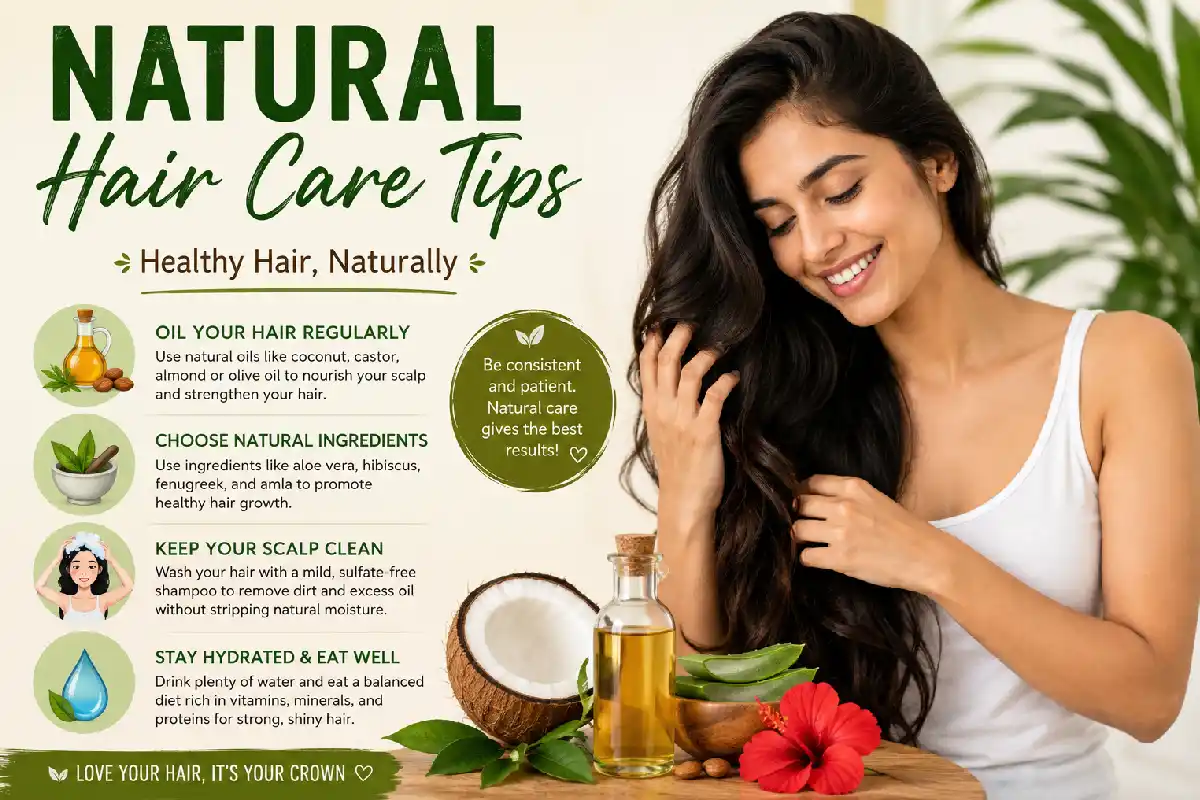
Natural Hair Care Tips: Simple Ways to Keep Hair Healthy
 Khizrana Begum
Beauty & Lifestyle Writer
Khizrana Begum writes clear and reader-friendly content covering beauty, lifestyle and related topics.
Read Full Bio of Author →
Khizrana Begum
Beauty & Lifestyle Writer
Khizrana Begum writes clear and reader-friendly content covering beauty, lifestyle and related topics.
Read Full Bio of Author →
 Sameena Begum
Health, Technology & Digital Content Reviewer
Sameena Begum reviews content for clarity, accuracy and overall reader usefulness.
Read Full Bio of Reviewer →
Sameena Begum
Health, Technology & Digital Content Reviewer
Sameena Begum reviews content for clarity, accuracy and overall reader usefulness.
Read Full Bio of Reviewer →
Natural Hair Care Tips: Just because you’re going natural doesn’t mean you have to replace all of your products with things you’d find in the back of your pantry! The simplest natural approach can, for me, also be the most practical-which is a combination of gentle practices, and natural ingredients that actually make sense to use. Several factors come into play when it comes to hair quality and health: scalp status, hair texture, diet, handling/styling treatments, processing, and genetics.
Natural remedies can smooth out textures, alleviate dryness, and make hair feel more manageable or softe, but you get the point, not an all-in-one remedy to your hair woes.
Knowing what your hair, as well as scalp, can handle-and what it can’t-is the most important natural care practice.
❝
This article is a part of
Hair Care Tips Guide
Benefits of Natural Hair Care
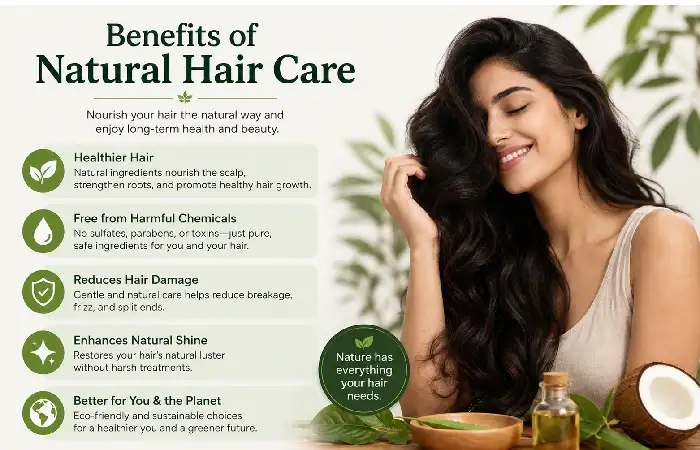
Natural hair care focuses on gentle routines, proper moisture, and simple practices that support healthier-looking hair. For a broader overview of effective hair care practices, explore our complete hair care tips guide.
Natural Hair Care can be great when it involves simple washing, keeping the moisture contained, minimizing manipulation, and avoiding injury. The acids in several natural plant ingredients or the antioxidants found in some botanicals are able to reduce friction when it comes to your hair. Oils, for example, could go in there and smooth out some of those rough areas where your dry hair may cause you problems. Here are some possible advantages:
- Less unnecessary fragrance or chemical exposure
- Improved softness and manageability
- Reduced friction during combing
- Better moisture retention
- Simple, affordable conditioning treatments
- Fewer unnecessary styling steps
Just because something is “natural” doesn’t mean it’s “better” or “safer” though. Poison ivy is “natural”, some EOs can cause burns or irritation to the skin, and the “natural” ingredients that you might use can sometimes be allergenic.
Natural Hair Care vs. Conventional Hair Care
| Natural Approach | Potential Benefit | Important Consideration |
| Coconut or plant oils | Helps condition some hair types | May weigh down fine hair |
| Aloe vera | Can feel soothing and moisturizing | May irritate sensitive skin |
| Honey | Humectant properties can support conditioning | Can be sticky and difficult to rinse |
| Herbal rinses | May provide a pleasant scalp-care ritual | Evidence for hair growth is limited |
| Homemade masks | Can improve temporary softness | Hygiene and ingredient safety matter |
| Gentle brushing | Reduces unnecessary mechanical stress | Over-brushing can cause breakage |
Homemade Hair Masks
Curly hair often benefits from gentle handling and consistent moisture to help maintain definition and reduce frizz. Explore our curly hair care guide for practical tips.
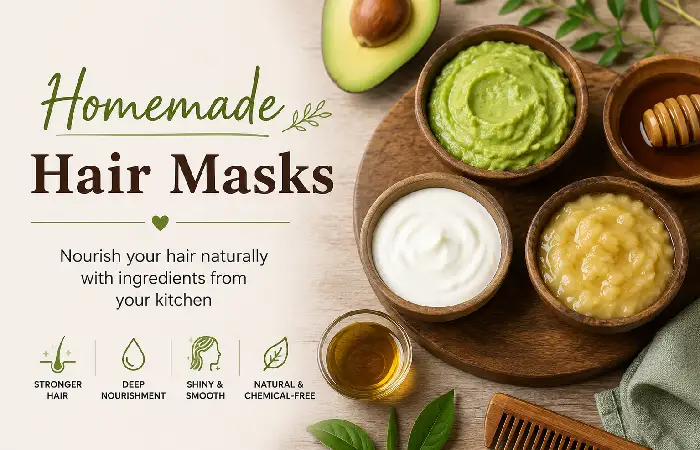
Homemade hair masks do offers instant conditioning particularly if hair is very dry, raspy and tangle.
Simple, most common recipe: 1 conditioning or moisturizing ingredient+1 very light emollient ingredient
Coconut Oil Hair Mask
Coconut Oil, which has a relatively good body of study for a plant oil used on the hair, has an affinity for the hair shaft and can help reduce protein loss.
Simple method:
- Take a small amount of coconut oil.
- Warm it between your palms rather than heating it aggressively.
- Apply mainly to the lengths and ends.
- Leave it on for a short period.
- Shampoo thoroughly afterward.
You do not want much oil; you want to avoid your hair getting greasy and being too difficult to wash.
Avocado Hair Mask
Foods like avocado contain fats as well as other nutrients but eating them does not reflect the same way with your hair. Mash some soft avocado and create paste-like form which is then to be applied on the length of the hair and let sit for around 15-20 minutes before washing with water and shampoo.
Color-treated hair may need extra moisture and careful product choices to help maintain its appearance. Explore our color-treated hair care guide for practical maintenance advice.
Honey and Yogurt Mask
Honey is a humectant and plain yogurt makes a lovely creamy base,mix a touch of honey into plain yogurt and smooth it on to the length, do not put food based mashes onto cracked or irritated skin.
DIY Hair Mask Guide
| Hair Concern | DIY Option | Suggested Frequency |
| Dry hair | Coconut oil treatment | Every 1–2 weeks |
| Rough lengths | Avocado mask | Occasionally |
| Dry, frizzy hair | Honey-based mask | Every 1–2 weeks |
| Fine hair | Lightweight conditioner instead | As needed |
| Oily scalp | Avoid heavy oil masks on scalp | — |
Whatever you’re looking at making or trying for a DIY it should complement – not be a substitute for a good shampoo, conditioner and professional treatment if it is needed.
Natural Oils for Hair
Using natural oils in hair is often favoured because they can make your hair appear softer and reduce friction. That said not all oils interact the same way, and coating your hair in more oil isn’t always best.
Coconut Oil
It is also good for some dry or damaged hair types It can help reduce protein loss from hair under certain conditions.
Men can also build a simple hair care routine based on their hair type, scalp needs, and styling habits. Explore our hair care guide for men for practical guidance.
It’s particularly useful as a pre-shampoo treatment for people whose hair tolerates it well.
Argan Oil
Argan oil is lightweight compared with some heavier oils. A few drops can be applied to the ends to improve the appearance of dryness and frizz.
Olive Oil
Olive oil has emollient qualities that can add conditioning, though it may be too heavy for fine and oily hair.
Jojoba Oil
The consistency of jojoba oil is generally considered pretty light by many people. It can be used sparingly on dry lengths and ends.
Rosemary Oil
Rosemary oil is often discussed in connection with hair growth. Few studies looked into the benefits of topical rosemary oil for the treatment of androgenetic hair loss, though the results are sparse with regards to the evidence we have for most drugs and medications.
When using rosemary essential oil, it must never be used undiluted direct onto the skin as it may be severely irritating, and may lead to contact dermatitis.
| Oil | Best For | How to Use |
| Coconut oil | Dry or damaged-feeling hair | Pre-shampoo treatment |
| Argan oil | Frizz and dry ends | A few drops on lengths |
| Olive oil | Coarse, dry hair | Small amount as a treatment |
| Jojoba oil | Dryness and softness | Use sparingly |
| Rosemary essential oil | Hair-care routines focused on scalp | Properly diluted only |
Herbal Hair Care Remedies
Botanicals have been used as a traditional remedy forhair careover many centuries. Whilst some might be effective in either enhancing hair cosmetically and promoting a more comfortable scalp condition; traditional use alone is not an indication that the herb can promote anagen.
Aloe Vera
This refreshing remedy can relieve burns by providing a cool, soothing sensation. When it’s from a fresh aloe plant, ensure it’s a clean gel prepared for external use.
If you have sensitive skin, be sure to test it first.
Women may have different hair care needs depending on their styling routines, hair texture, and individual concerns. Explore our hair care guide for women for helpful routine ideas.
Fenugreek
Fenugreek seeds in hair mask traditionally. Usually, many people create a Fenugreek Paste by Soaking and Grinding Some seeds and applying it to their hairs. Because Fenugreek isn’t a well-studied treatment, don’t expect it to be the solution to hair loss. Treat it more like the rest of your hair conditioning regimen.
Green Tea
Research in these areas is in its infancy and the claim that green tea’s antioxidants and polyphenols aid hair growth by preventing loss of scalp hair has not, to date, been sufficiently backed up with evidence to use it as a treatment forhair.1-2
Herbal Hair Care Safety
Always remember:
- Test any new ingredients applied topically first before rubbing all over.
- In the event of burning, itching, swelling and red patches, do not continue applying the ingredient.
- Avoid using potent herbal remedies onto cuts and wounds.
- Avoid getting homemade mixtures into your eyes.
- Don’t assume an herbal remedy can treat a medical hair-loss condition.
Safe Natural Practices
Best natural hair-care recipe surprisingly tedious-and that is great.
Keep Your Scalp Clean
This does not mean you should ditch Shampoo & conditioner. You will accumulate grease , dead skin cells , styling products & sweat & oil . Wash as often as needed by your scalp type.
Avoid Excessive Heat
You don’t have to make your own heat protectant. When you are using a hot iron/tool, make sure it is one that will protect your hair from the heat and be aware of the temperature settings and the frequency in which you apply heat to the same area.
Don’t Pull Your Hair Tight
You can developtraction alopecia. This occurs from consistent stress placed on your scalp by hair that is frequently pulled tight by a ponytail, bun, braid, or extensions.
Wear low and lose hairstyles and provide your scalp with regular stress release
Be Careful With Essential Oils
Essential oils aren’t cooking oils; they are plant essences in a concentrated form. Straight essential oils can irritate or sensitize the skin. Don’t assume that a couple drops on your scalp is fine.
Don’t Use Kitchen Ingredients Without Thinking
Some trending DIY recipes incorporate ingredients like lemon juice, baking soda, raw eggs, or pure apple cider vinegar, which could leave you with a dry, buildup, irritation or a host of other hair issues if used improperly. And it’s probably not a great idea to use something that’s natural if it’s hurting your hair and scalp.
FAQs
Is natural hair care better than commercial hair care?
This isn’t strictly necessary. Natural products and commercial products can both be effective. What is essential is whether the ingredients suit the hair and scalp and whether the product was formulated and tested for application on hair and skin.
Which natural oil is best for hair?
There is no one best oil for everyone to use. Coconut oil does have a bit of research to suggest that it may minimize protein loss, while lighter oils such as argan, or jojoba might be better in terms of cosmetic benefits to your hair type.
Can natural remedies stop hair loss?
Very few home remedies for hair thinning have proven effects on hair loss. People often fall for the various quick home cures and DIY treatments without realizing what cause their hair loss and the home cures won’t work. There are various reasons for hair loss from hormonal problems, hormonal imbalances, nutrition shortages, medical side effects to skin disorder. If you feel that there is severe hair loss, then you should visit the dermatologist.
How often should I use a homemade hair mask?
For many people, every other day or every two days is perfect, and if the hair becomes greasy, coating, stiff, or hard to shampoo, limit how many times per week it is washed.
Can I apply essential oils directly to my scalp?
For most applications it would be advisable to dilute your essential oil in a carrier oil and carry out a patch test. If any adverse reactions occurs please discontinue use.
Are herbal remedies safe for everyone?
No. Herbs can lead to skin irritation and allergic reactions, and can interact with medications in some instances (if intended for absorption into the body). If you are pregnant or breastfeeding, or if you have a scalp condition, be cautious when trying an herbal treatment for the first time.
Choosing the right natural hair care routine becomes easier when you understand your specific texture, thickness, and hair needs. Explore our hair care guide by hair type for more targeted recommendations.
What is the simplest natural hair-care routine?
Maintain a clean scalp condition your ends be gentle with wet hair apply very little heat or harsh chemicals don’t pull back your hair very tightly use a small dab of the right type of oil if it helps your hair to be the simplest, gentlest, most realistic thing you can get Your way to go in natural haircare and it’s okay if you don’t spend a lot of time to DIY the heck out of it, you probably don’t have to.