

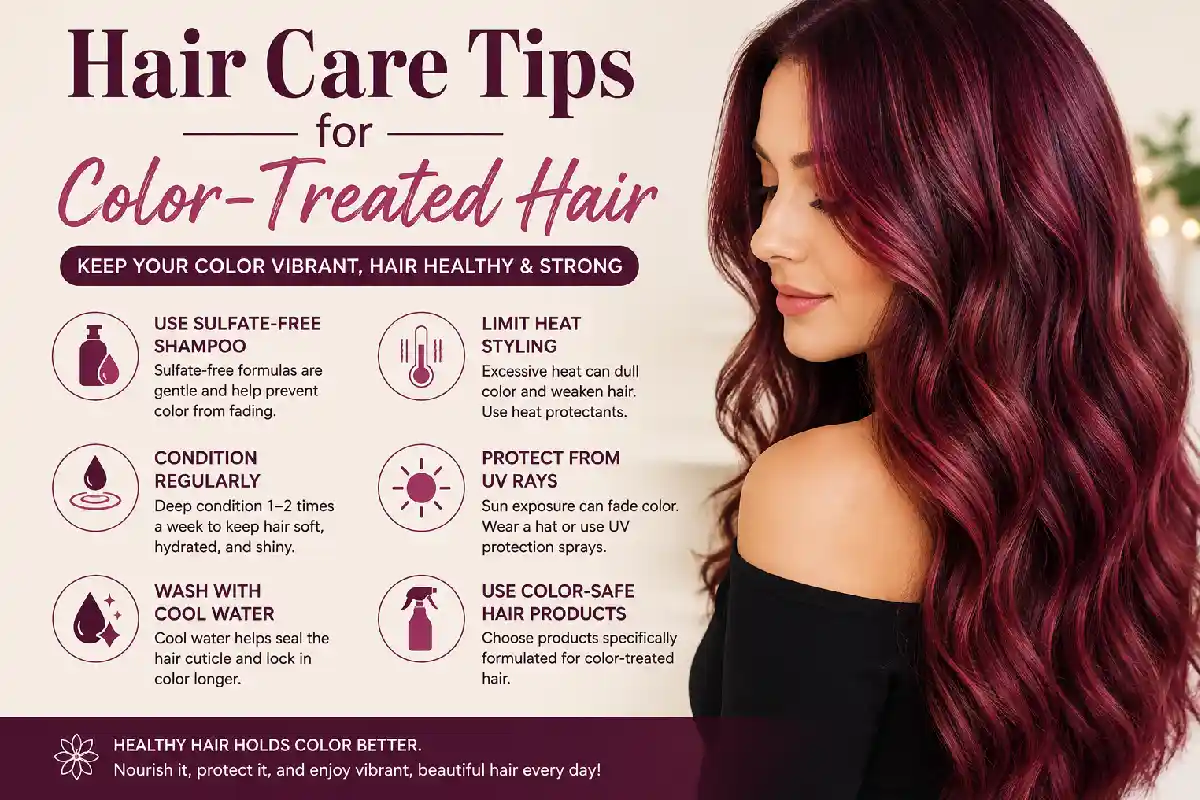
Hair Care Tips for Color-Treated Hair: How to Protect Color and Keep Hair Healthy
 Khizrana Begum
Beauty & Lifestyle Writer
Khizrana Begum writes clear and reader-friendly content covering beauty, lifestyle and related topics.
Read Full Bio of Author →
Khizrana Begum
Beauty & Lifestyle Writer
Khizrana Begum writes clear and reader-friendly content covering beauty, lifestyle and related topics.
Read Full Bio of Author →
 Sameena Begum
Health, Technology & Digital Content Reviewer
Sameena Begum reviews content for clarity, accuracy and overall reader usefulness.
Read Full Bio of Reviewer →
Sameena Begum
Health, Technology & Digital Content Reviewer
Sameena Begum reviews content for clarity, accuracy and overall reader usefulness.
Read Full Bio of Reviewer →
Hair Care Tips for Color-Treated Hair: Sometimes the simplest tweaks in hair care can make a huge difference to your look. But how do you maintain salon-fresh, vibrant color without wrecking havoc on your mane? Color can strip your hair and leave it susceptible to damage and breakage. This is particularly true with blonde hair or hair that is heavily treated with chemicals. Thankfully, it does not have to mean complex treatments; just using the right conditioner, shampoo and heat-protective mist at the right times can help your color look its best for longer.
❝
This article is a part of
Hair Care Tips Guide
Protecting Hair Color
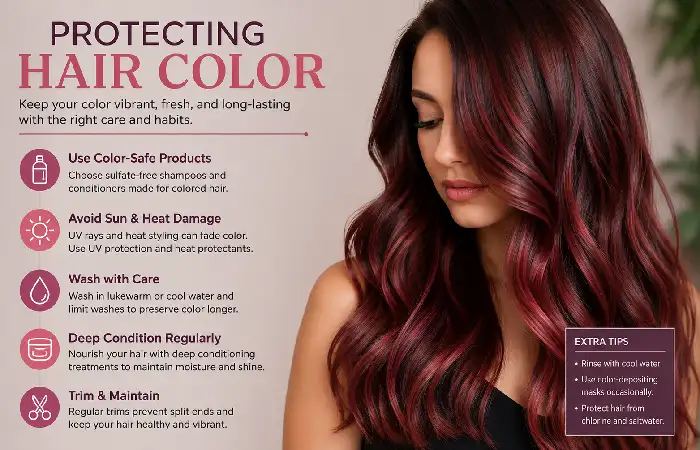
The first step when it comes to colored hair care is to defend yourself against anything that can strip color. Fading, loss of color due to excessive washing, chlorine swimming and harsh products can all damage and fade color quicker than you may think.
Wait Before Your First Wash
Hair: Colour Your Hair: After dyeing, use your hairstylist’s guidelines on the exact time until shampooing. Too soon can cause excess color loss, particularly with temporary and semi-permanent color. Once you do start shampooing, do so less frequently. If your scalp does not get oily rapidly, it may pay for you to space out your shampoo sessions, in order for you to preserve colour long time.
Use Cooler Water
Although tempting after a long day, water that is too hot can actually make your hair feel dry and the colour will fade faster. Use a warm temperature for your shampoo and rinse it with cold water if you can.
Color-treated hair needs a thoughtful routine to help maintain moisture, shine, and the appearance of your color. For a broader overview of everyday hair care practices, explore our complete hair care tips guide.
Protect Hair From the Sun
UV can damage both the color and condition of your hair. When out and about for prolonged periods:
- wear a hat or headscarf
- use hair products with UV protecting elements
- keep it covered when exposed to harsh sunlight
- wear hair out or in a low braid
Protect Hair From Chlorine
When hitting a swimming pool color-treated hair might be trickier. Chlorinated water can dry out hair; it also sometimes reacts with color tones. When hitting a pool dampen your hair with tap water and add a bit of leave-in conditioner. For further protection a swim cap is ideal.
| Color-protection habit | Why it helps |
| Wash with lukewarm water | Helps reduce unnecessary dryness |
| Avoid unnecessary washing | May help minimize color loss |
| Protect hair outdoors | Reduces exposure to environmental stressors |
| Use a swim cap | Limits contact with pool water |
| Condition regularly | Helps keep strands softer |
Sulfate-Free Hair Care
Color-treated curly hair may need extra moisture and gentle handling to protect both the color and natural curl pattern. Explore our curly hair care guide for practical tips.
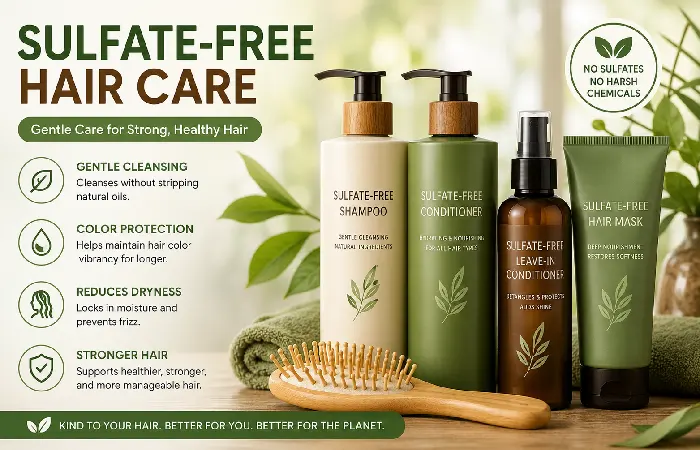
It’s often advised for those who’ve dyed their hair to try a sulfate-free hair product, as harsh cleansing may cause dryness and allow some colors to bleed slightly faster.
Choose a conditioner or shampoo that is advertised specifically for colored, color-treated, or chemically treated hair.
Why Shampoo Choice Matters?
Deep-cleansing shampoo: This type can wash out oil and residue well but, over time, using a stripping shampoo can create dull texture and dry hair (even more for color treated hair).
Gentle shampoo: This type cleanses your scalp without stripping hair too much and can avoid that straw feeling on your ends. Keep this in mind when shopping – not all sulfate-free products will suit your needs. Scalp type, hair texture, styling process, and the products you regularly layer will impact your ideal formulation.
How Often Should You Wash Color-Treated Hair?
There’s no set schedule: someone with an oily scalp will need to wash their hair more regularly than someone with dry or curly hair.
Men who color their hair can benefit from routines that consider both their hair type and the effects of coloring. Explore our hair care guide for men for practical advice.
As a starting point:
| Hair/scalp type | Possible washing approach |
| Oily scalp | Wash as needed to keep the scalp comfortable |
| Normal scalp | Every few days may work well |
| Dry hair | Space washes out when practical |
| Curly or textured hair | Less frequent washing may be preferred |
| Heavy product use | Occasional thorough cleansing may be necessary |
The goal isn’t to avoid shampoo completely. A clean, healthy scalp is still important.
Preventing Color Fading
Every dyed hair color will fade over time, and it depends what kind of routine your color’s routine would be like. But the most obvious error is that they are styling their dyed hair exactly the same as natural virgin hair.
Women may use different coloring and styling techniques that can affect how their hair should be maintained. Explore our hair care guide for women for helpful routine ideas.
Reduce Excessive Washing
Any shampoo rinse washes some things out the that keep hair from looking colored and freshly touched up. When your hair and scalp permit you to, then rinse as and when needed, and never because just out of habit! For your rest days from shampoo you may want to restyle your hairstyle or you could perhaps make use of an appropriate dry shampoo, in case it is a product that suits you to make use of.
Choose Color-Safe Products
Seek out products that are specifically designed for color-treated or chemically enhanced hair. The addition of color-safe conditioner can aid the softness, manageability and supplement your total hair regime.
Be Careful With Clarifying Shampoo
Good for lifting residue, but might be too intense for newly colored or dry hair.
If you use a lot of styling products, oil, or dry shampoo you might need to do a deep cleansing. Use a clarifying product as directed, and then condition to restore moisture.
Gentle and natural hair care practices can help support moisture and overall hair condition when caring for treated hair. Explore our natural hair care guide for practical ideas.
Avoid Excessive Heat
Your color can feel more fragile when subjected to high heat blow drying and constant flat ironing and curling.
If possible:
- Use a low to medium heat
- Don’t repeatedly pass hot tools over the same section of hair
- Let hair become slightly air-dried before applying your dryer
- Heat protection should be applied every time
Color-Fading Triggers
| Common trigger | What you can do |
| Frequent shampooing | Wash according to your scalp’s needs |
| Very hot water | Use lukewarm water |
| UV exposure | Cover hair or use UV-protective products |
| Chlorinated water | Protect hair before swimming |
| Frequent heat styling | Reduce temperature and frequency |
| Harsh cleansing | Choose gentler, color-safe products |
Deep Conditioning Schedule
In addition to conditioning, some hair colors can provide additional moisture, which helps if your hair feels a little dry or frizzy from bleaching or multiple chemical treatments over time. • A deep conditioning treatment can make your hair feel soft and more manageable. While it may not repair every kind of damage caused by chemical treatment, your hair will feel less dry.
Hair care needs can vary depending on texture, thickness, and condition, especially after coloring. Explore our hair care guide by hair type for more targeted recommendations.
How Often Should You Deep Condition?
As a starting point,once a week should work for many people. Very dry or highly processed hair might require more frequent conditioning, whereas fine hair can appear lumpy and lank if overtreated. Start out using a conditioner once a week and see how your hair responds.
Simple Deep-Conditioning Routine
- Lather the shampoo in your hands and wash your hair carefully.
- Squeeze most of the water out of your hair.
- Put the deep conditioner on mostly your lengths and ends, but avoid using too much on the roots.
- Leave it for the instructed time (e.g. 3 to 10 minutes).
- Rinse all the conditioner off of your hair.
- Carefully squeeze most of the water off.
- Style in a way that causes minimum friction:
Just Because The Leave It on For a while Longer Doesn’t Automatically Lead To Better Results – Trust Your Manufacturer
Moisture vs. Protein
Conditioning properties are suitable for colored hair, and those in a hair treated protein damage (again, if it was made properly) can do good as well. But, depending too many products with any one ingredient can turn hair into any old texture than I did want to turn.
| Hair concern | Routine focus |
| Dry, rough-feeling hair | Moisturizing conditioner or mask |
| Frizz | Conditioning and gentle styling |
| Breakage | Gentle handling and reduced chemical/heat stress |
| Fine hair | Lightweight conditioning products |
| Heavily processed hair | Consistent conditioning and professional assessment if damage is severe |
Heat Protection Tips
While heat styling does help color-treated hair appear neat and shiny, overdoing it in terms of temperature can lead to dryness and snapping. A heat protectant should be part of your hair-care repertoire anytime you’re using a blow dryer, straightening iron, curling iron, or another heated product.
Use the Right Temperature
More heat equals better style isn’t true. Set it at the lowest effective heat. This can be particularly problematic after bleaching fine or fragile hair.
Don’t Style Soaking-Wet Hair With Hot Tools
As a general rule with styling tools (flat iron and curling iron, in particular), they should only be used on dry hair, unless it is one specifically meant for use on wet or damp hair. You still don’t want to have a blow dryer too close to the hair for a prolonged time.
Keep the Dryer Moving
When blow-drying:
- Apply a heat protectant.
- Hold the dryer in motion.
- Don’t let it rest in one spot.
- Use a medium temperature.
- Let it go, don’t use heat to make hair bone-dry and then keep it going unnecessarily.
Reduce Styling Frequency
If you color your hair often, giving your tresses a break from heat, whether for styling or color processing, can save you some of the cumulative strain your hair is under. With some low-tech hairstyles, the odd air-dry, and some heatless style options, you don’t have to be reliant on high heat as often.
FAQs
1. How often should I wash color-treated hair?
Wash when your scalp and hair dictate instead of your calendar. When you feel the comfortable sensation on your scalp for days, you can delay another wash.
2. Is sulfate-free shampoo better for colored hair?
If you have color treated hair (which tend to be dry or stripped easily) it may be suitable. However the formula itself is also crucial and so is its compatibility with your scalp.
3. How can I make hair color last longer?
Wash the right number of times, go easy with soap, heat it gently, do not expose yourself to long sunshine in the sun, and be careful not to hit your hair against rocks while swimming.
4. Can I use hair oil on color-treated hair?
Although you can use hair oils to condition hair that has been colored, they are best used sparingly on dry lengths and ends. Oils vary, and the use of too much oil can lead to buildup, or can give fine hair a greasy appearance.
5. How often should I deep condition color-treated hair?
Once a week is a good guideline to many. Very dry hair might need more conditioning, while fine hair doesn’t need as much.
6. Does heat styling damage colored hair?
Overusing or too much heat may cause dryness, breakage, brittleness in your hair. Using heat protectants; not styling at too hot; not styling as often as necessary can prevent it.
7. Can I swim after coloring my hair?
Taking a dip is no problem, as long as you keep pool chemicals such as chlorine off color-treated hair. Soak hair in clean water before taking a swim, consider a leave-in conditioner if applicable, and perhaps a swim cap.
8. What is the biggest mistake with color-treated hair?
Perhaps one of the most frequented error is a multitude of washes using hot water and irritating products, repeated chemical process, and the hair is left without appropriate time for condition and healing.
Final Thoughts
Looking after colour-treated hair is essentially about minimizing unnecessary stress to the strands. It doesn’t require about dozens of products. A mild color-safe shampoo, suitable conditioner, weekly intensive conditioning treatment, hair-protecting agent and thoughtful washing scheme will greatly improve a look of your hair.
Look at the condition of your hair. In case of increased frailty, frequent breaking and feel of being severely spoiled after dye or bleach treatment, before subsequent using of chemical processing you should consult with skilled professional hairdresser.
As a result of consistent and effective care of your color-treated hair you will enjoy of vibrant hues and a good soft, controllable, healthy shine.