


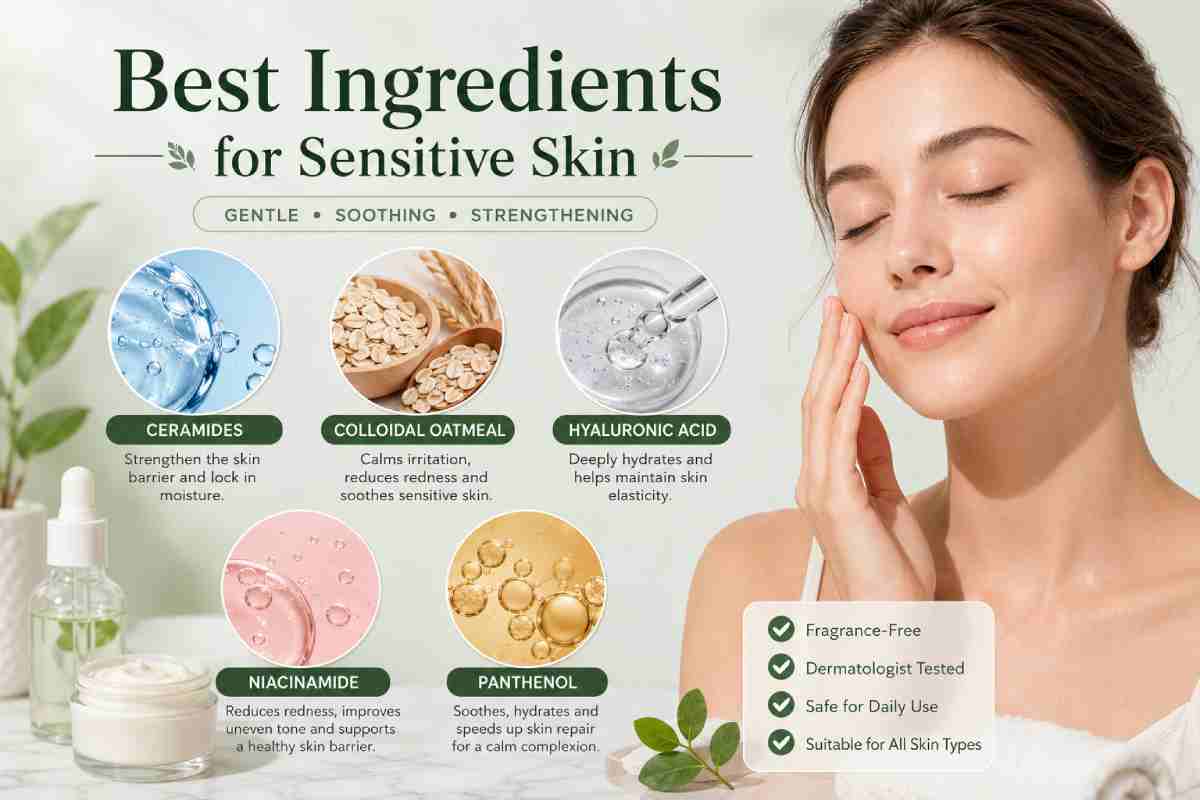
Best Ingredients for Sensitive Skin: Top Soothing Ingredients Explained
Last Updated: August 6, 2026
Sensitive skin calls for more than a basic regimen. When dealing with sensitive skin, the emphasis is on carefully selected, soothing and strengthening ingredients, not irritating ones. In fact, many who have sensitive skin develop redness, itchiness or sensitivity to basic products because their skin is more fragile, having been more susceptible to a compromised skin barrier.
Modern dermatology is evolving the concept of treating sensitive skin beyond masking, introducing several beneficial ingredients to support and fortify sensitive and even reactive skin.
Using clinically proven, scientifically researched beneficial ingredients – rather than riding trends – is the path to not only comfortable, but ultimately healthier and stronger sensitive skin. In this in-depth guide to sensitive skin care, we’ll reveal how to leverage today’s best ingredient choices.
What Is Sensitive Skin?

The skin is more reactive with sensitive skin and more readily reacts with its surroundings such as the climate, cosmetics, weather, fragrance, and chemicals etc. Sensitive skin less successfully forms and maintains a complete, unified skin barrier that protects the body’s internal and external environments, making it more susceptible to surface inflammation.
Common signs include:
- Persistent redness
- Dryness and flaking
- Burning or stinging sensation
- Tightness after cleansing
- Itchy patches
- Frequent irritation from skincare products
Your sensitivity could simply be a part of your DNA makeup – or the result of overzealous use of chemical exfoliants, environmental factors such as the sun and pollution, or even simple allergies, and of course, skin conditions like eczema and rosacea.
Why Ingredients Matter for Sensitive Skin
While every item we apply to our faces is comprised of countless substances, few were meant for our most sensitive skin. Sensitive skin actually does best when it contains substances which only –
- Strengthen the skin barrier
- Lock in moisture
- Reduce inflammation
- Support natural healing
- Protect against environmental damage
More often than not, selecting better ingredients does wonders for the face rather than shelling out for expensive items of skincare.
Comparison Table: Best Ingredients for Sensitive Skin
| Ingredient | Primary Benefit | Best For | Texture | Suitable for Daily Use |
| Ceramides | Repairs skin barrier | Dry, damaged skin | Cream | Yes |
| Colloidal Oatmeal | Calms irritation | Itchy, inflamed skin | Cream/Lotion | Yes |
| Hyaluronic Acid | Deep hydration | Dehydrated skin | Serum | Yes |
| Niacinamide | Reduces redness | Uneven, reactive skin | Serum | Yes |
| Panthenol | Repairs and soothes | Irritated skin | Cream/Gel | Yes |
What Are Ceramides?
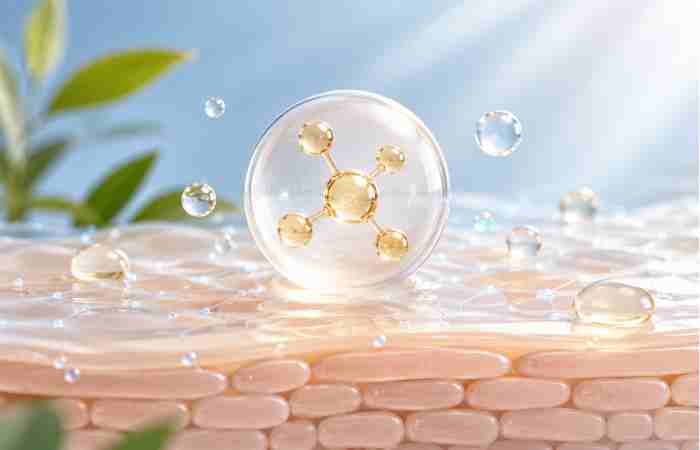
“Ceramides are natural lipids, or fats, which account for about 49% of the top layer of the skin. They essentially function as the glue holding skin cells together, keeping all your skin’s hydration locked up,” explained Dattner.
As levels dip because of factors like aging, overuse of cleansers and exfoliating, or environmental exposure, skin becomes dry and more sensitive. Replenish those lost ceramides you shed and rebuild this necessary boundary.”
How Ceramides Help Sensitive Skin
For many of those with sensitive skin the reason lies in a compromised skin barrier. Ceramides then fill this barrier helping to ensure nothing can invade the skin’s defence mechanism.
Benefits include:
- Restores the skin barrier
- Prevents moisture loss
- Reduces redness
- Minimises irritation
- Improves skin softness
- Supports long-term skin health
Instead of working on the surface to help slough away dead skin or address dark spots, Ceramides work deep down inside your skin to boost it up.
Who Should Use Ceramides?
Ceramides are excellent for people with:
- Dry skin
- Sensitive skin
- Eczema-prone skin
- Mature skin
- Rosacea
- Compromised skin barrier
If you’re oily, then you’re in luck because you gain because good skin barriers regulate your skin natural oil.
How to Use Ceramides
Ceramides are commonly found in:
- Moisturizers
- Barrier creams
- Night creams
- Cleansing lotions
Apply a ceramde enriched mositiser a couple of hours after having your shower/bath whilst the skin is still warm/ slightly damp for better results
Colloidal Oatmeal
What Is Colloidal Oatmeal?
Colloidal oats: The oatmeal is ground into finer powders that can be dispersed and dissolve evenly in water. When prepared for skin care as opposed to being part of a breakfast bowl, colloidal oatmeal consists of properties that offer calm for inflamed skin conditions.
It was once well-liked for alleviating dry, itchy skin conditions and is currently, dermatologists swear by colloidal oats for those with really skin that is sensitive.
Why Sensitive Skin Loves Colloidal Oatmeal
Colloidal oatmeal contains:
- Beta-glucans
- Avenanthramides
- Natural lipids
- Antioxidants
Overall, these parts combine to minimize irritation and prevent dryness of your skin.
Benefits of Colloidal Oatmeal
Generally, people who have sensitive skin notice a calming effect some few minutes after they use something containing colloidal oatmeal.
Major benefits include:
- Relieves itching
- Reduces redness
- Calms irritation
- Softens rough skin
- Improves moisture retention
- Supports healing
This calm treatment is ideal on a day out in the sun, in the changing seasons or on days when your skin is particularly dry.
Best Uses
Colloidal oatmeal is commonly found in:
- Face cleansers
- Moisturizers
- Body lotions
- Bath treatments
- Face masks
Since it is extremely gentle, it can be used every day.
Hyaluronic Acid
What Is Hyaluronic Acid?
Hyaluronic acid is also commonly referred to Sodium hyaluronate a salt a substance also naturally existing in skin connective tissue, and the joints in our own body. HA helps draw into and holds on to H2O (water).
We are in love with the HA-power: one HA molecule can hold 1000 time its weight in water! Hydrated skin means we’ll have plumper, more supple and less responsive skin.
Why Sensitive Skin Needs Hydration
Many people confuse dry skin with dehydrated skin.
Dry skin lacks oil.
Dehydrated skin lacks water.
My sensitive skin can become extremely dehydrated, aggravating my condition (like redness & inflammation). Hyaluronic Acid will restore it without pore clogging or irritation!
Benefits of Hyaluronic Acid
Regular use provides:
- Deep hydration
- Improved elasticity
- Reduced tightness
- Healthier skin barrier
- Smoother texture
- Softer appearance
Hydrated skin is also more resilient against environmental stress.
How to Use Hyaluronic Acid Correctly
For maximum effectiveness:
- Apply to damp skin.
- Follow immediately with moisturizer.
- Use morning and evening.
Moisturizer seals in the hydration, preventing water from evaporating.
Niacinamide
What Is Niacinamide?
A vitamin B3 used to strengthen the skin with anti-inflammatory action and without creating skin irritations unlike other stronger actives. For daily use.
Why Dermatologists Recommend Niacinamide
Take care of several skin troubles at the same time without harming the skin barrier – Maintain more comfortable skin by reinforcing the skin’s natural self-defence abilities
Benefits of Niacinamide
Regular use may help:
- Reduce redness
- Calm inflammation
- Strengthen the skin barrier
- Improve uneven skin tone
- Reduce excess oil
- Support collagen production
- Improve skin texture
The long list of benefits makes it clear why niacinamide is a favorite within skincare.
Ideal Concentration
A lot of dermatologists advise their patients to try and stick to 2 per cent and 5 percent ranges when you have sensitive skin. High percentages aren’t that terrible and some even tolerate 7 to 10 per cent fairly well, although this sometimes comes with sensitivity for highly irritable skins. Taking it slow.
Can Niacinamide Be Combined With Other Ingredients?
Yes.
Niacinamide pairs well with:
- Ceramides
- Hyaluronic acid
- Panthenol
- Peptides
These combinations help create an effective yet gentle skincare routine.
Panthenol
What Is Panthenol?
Also referred to as Provitamin B5, panthenol is another one of our deeply hydrating ingredients. When absorbed into the skin, panthenol is changed into pantothenic acid or as you know it vitamin B5 and due to the fact that panthenol actually helps repair the skin while easing inflammation, it’s a popular choice of active for sensitive, dry or damaged skin.
How Panthenol Helps Sensitive Skin
A humectant that can pull water, it is also good to help improve skin. Panthenol will soothe irritation due to dry conditions, adverse weather and Cosmetic procedures that are too dry or have been harsh to your skin.
Benefits of Panthenol
Regular use offers several advantages:
- Accelerates skin repair
- Relieves irritation
- Improves hydration
- Softens rough patches
- Strengthens the skin barrier
- Reduces redness
It’s exceptionally gentle so historically was found in babies and those who use products for eczema-prone skins.
Best Products Containing Panthenol
Look for panthenol in:
- Moisturizers
- Barrier creams
- Recovery balms
- After-sun lotions
- Hydrating serums
Daily application helps maintain comfortable, healthy skin.
Building a Gentle Routine for Sensitive Skin
You may also need the correct kinds of items to apply on your sensitive skin. In such cases, a simple procedure is always preferred, instead of applying a number of items on the skin.
A basic routine might include:
Morning
- Gentle cleanser
- Hyaluronic acid serum
- Ceramide moisturizer
- Broad-spectrum sunscreen
Evening
- Gentle cleanser
- Niacinamide serum
- Panthenol or ceramide moisturizer
Add only one single new product to your routine at any time, and see how your skin reacts for a few days before you add one more product.
Ingredients Sensitive Skin Should Avoid
Good things always help tighten down the skin, but the bad things always make the skin inflamed if you are in sensitive people or you sensitive skin.
These include:
- High amounts of alcohol
- Artificial fragrances
- Essential oils in high concentrations
- Harsh sulfates
- Physical scrubs with large particles
- Strong exfoliating acids used too frequently
If you can cut out any unnecessary irritating ingredients, then those good guys don’t need to work so hard.
Tips for Choosing Products for Sensitive Skin
When shopping for skincare:
- Choose fragrance-free products whenever possible.
- Look for products labeled for sensitive skin.
- Perform a patch test before full application.
- Keep your routine simple.
- Moisturize consistently.
- Wear sunscreen daily.
- Avoid over-cleansing and over-exfoliating.
Many things don’t require multiple products, but the key to success for the others often is consistency.
Conclusion
With sensitive skin, effective care is built on understanding the skin’s basic needs and avoiding ingredient overload in favor of ingredients that help restore balance. You don’t have to use complicated methods and ultra-potent ingredients if you use those that specifically rebuild and support the barrier. Ceramides support your skin’s protective function, colloidal oatmeal gives you instant calming effects, hyaluronic acid delivers sustained hydration, niacinamide calms irritation and redness as well as the improving skin strength, and panthenol helps facilitate skin recovery and provides comfort.
Be patient, skin barrier repairs aren’t overnight successes but following even the most basic of routines and some well-chosen ingredients can help even overly sensitive, ultra-reactive skin slowly regain its smooth texture, increase its robustness, and feels considerably more comfortable. Caring for your skin with ingredients geared towards hydration and barrier health is arguably one of the best things you can do for its long-term well-being.
FAQs
1. Which ingredient is best for extremely sensitive skin?
Ceramides and colloidal oatmeal are likely the safest option and probably the lest active as they help to even make it possible to really repair barrier damage as well as helping reduce the inflammation that can occur.
2. Can sensitive skin use hyaluronic acid every day?
Yes! This hyaluronic acid serum works brilliantly for use at home daily to keep the skin perfectly plump when applied to damp skin topped with a moisturizer.
3. Is niacinamide safe for sensitive skin?
Sure. Niacinamide tends to do great for most people with sensitive skin at about 2–5%. It’s known for reducing skin’s inflammation & repairing the skin’s barrior.
4. What does panthenol do for the skin?
Panthenol holds onto the water molecule, helping to rebuild our protective layers and calm the skin and return skin to normal when it’s irritated or suffering from environmental issues.
5. Can these ingredients be used together?
Yes. They work with each other and appear together in formulations often found in a sensitive-skinned formula : ceramides, hyaluronic acid, niacinamide, colloidal oatmeal and panthenol .