


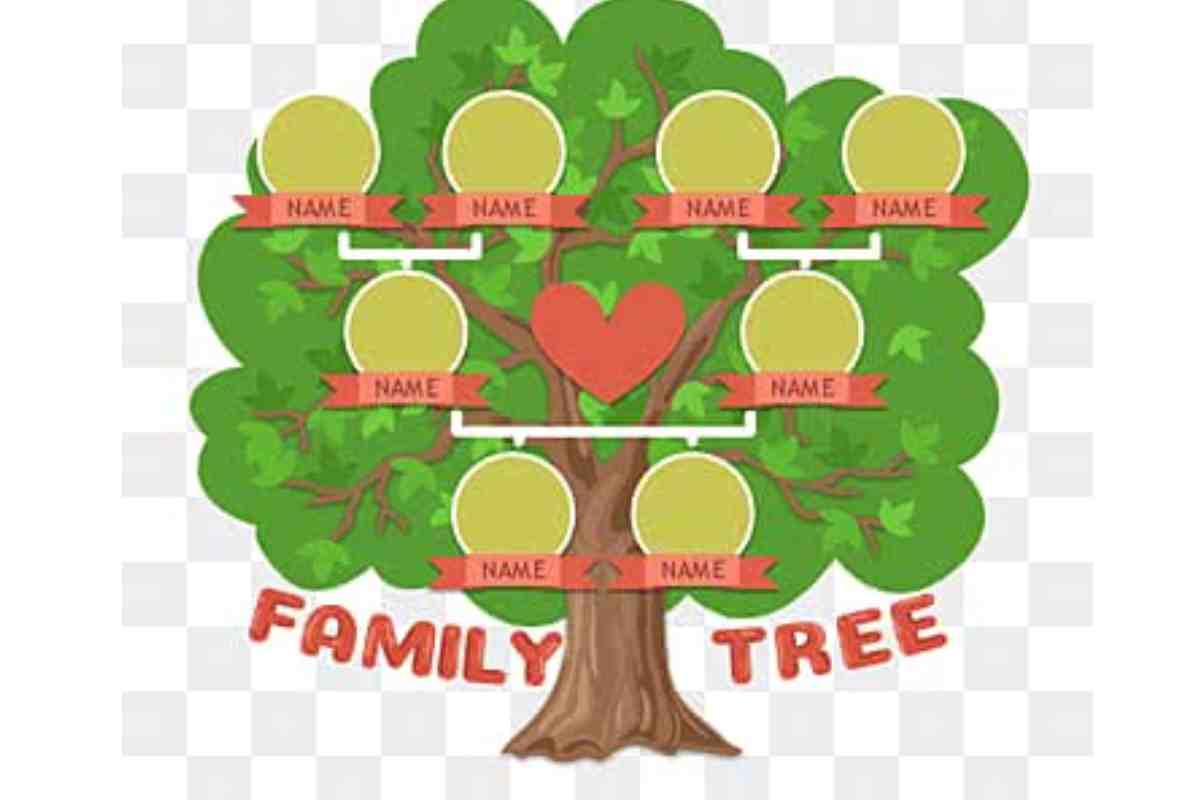
Family Tree Project Ideas for Students – Step-by-Step Drawing Guide
One of the most important and interesting school projects that a student can create is a family tree drawing. It might seem a mere chart with names on the branches at first glance. Yet, as a matter of fact, it has far more to do with it. It narrates a tale of our origins, our relationships with each successive generation, and the unique contributions of each relative to our lives.
A family tree drawing can be both an art activity and a school student. There is also identity, relationships, memory, and respect of family history, which are learning exercises. It is something very popular with children since they draw, decorate, and color as well as learn about their relatives concurrently. This is another project that teachers enjoy since it is about both creativity and personal understanding..
What Is a Family Tree?
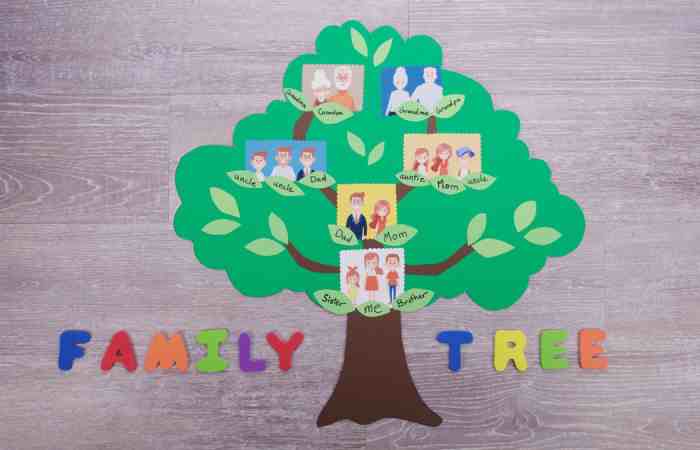
Family tree refers to a plain visual representation that illustrates relationships among the family members in the family of various generations. It normally starts with the oldest members whose names are known like grandparents or great grandparents and comes down to children and grandchildren.
In a family tree sketch, a lot of time the oldest generation is designed at the top and the younger generation is designed below the old one. Branches or lines are used to represent the way everyone is related to another family member. Since the layout resembles that of the form of a tree, it is referred to as a family tree.A family tree helps us understand:
- Who our parents, grandparents, and siblings are
- How different generations are connected
- The history of a family
- The importance of family bonds
Why a Family Tree Drawing Is a Great School Project
A family tree drawing is a great school activity due to its practicality in its own right and personalized nature. It would make students question their family background and get to know more about their family. It also provides them with an opportunity to bring out their ideas in terms of colors, shapes and layout.
The following are some of the reasons why this project has become so popular in schools:
- It enhances the relationship knowledge of a child in the family.
- learns the skill of creativity and presentation.
- It assists students in generation learning.
- Obtains pride of children to their family origins.
- It can also be prepared in plain and ornamental manner based on the grade requirement.
The project can be adapted to suit the primary school, middle school or even an older student since it can be modified in various ways.
Comparison Table: Simple vs Decorative Family Tree Drawing
| Feature | Simple Family Tree Drawing | Decorative Family Tree Drawing |
| Best for | Small school projects, younger students | Competitions, exhibitions, creative assignments |
| Design style | Basic layout with names and lines | Artistic layout with leaves, branches, photos, and colors |
| Time needed | Less time | More time |
| Materials used | Paper, pencil, sketch pens | Chart paper, color pencils, markers, cut-outs, stickers |
| Difficulty level | Easy | Moderate to advanced |
| Presentation | Clean and neat | Attractive and eye-catching |
| Main purpose | Show family relationships clearly | Show family relationships in a creative way |
Both styles are good. If your teacher wants something simple and neat, a basic family tree is perfect. If you want your project to stand out, a decorative family tree is a better choice.
How to Plan a Family Tree Drawing
Before you begin drawing, it is helpful to plan the structure. A family tree becomes easier to make when you already know which names will go where.
Collect family details
Write down the names of your parents, siblings, grandparents, and any other family members you want to include.
Decide how many generations to show
Most school projects include 2 to 4 generations. For example:
- Grandparents
- Parents
- You and your siblings
Choose the layout
You can make your tree:
- Vertical, with top to bottom flow
- Horizontal, spreading left to right
- In a round or creative tree shape
Gather materials
You may need:
- White paper or chart paper
- Pencil and eraser
- Black pen or marker
- Colored pencils, sketch pens, or crayons
- Ruler
- Photos or decorative cut-outs, if allowed
Best Way to Draw a Family Tree for School Project
A good family tree drawing should be clean, organized, and easy to read. Below is a simple method you can follow.
Draw the trunk and branches
Start by sketching a tree trunk in the center or lower part of your paper. From the trunk, draw branches that spread out. These branches can represent generations.
Place the oldest generation at the top
Write the names of grandparents on the highest part of the tree. If you want to include great-grandparents, place them above the grandparents.
Add the parents in the middle
Draw connecting lines from the grandparents to the parents. This shows the link between generations.
Add children at the bottom
Place your name and the names of your siblings under your parents. This is usually the youngest generation shown in a school project.
Use leaves, boxes, or circles
You can write each name inside:
- Leaves
- Rounded shapes
- Small boxes
- Fruit shapes
- Heart-shaped designs
Color the drawing neatly
Use soft and balanced colors. Green, brown, blue, yellow, and orange often look beautiful in family tree drawings.
Sample Family Tree Structure
Here is a simple example of how your family tree may be arranged:
| Generation | Members Included | Example Placement |
| 1st Generation | Grandfather and Grandmother | Top of the tree |
| 2nd Generation | Father and Mother | Middle of the tree |
| 3rd Generation | You and siblings | Bottom of the tree |
If you want to make it more complete, you can also add:
- Uncles
- Aunts
- Cousins
- Great-grandparents
Creative Ideas for Family Tree Drawing
A family tree does not have to look plain or boring. You can make it creative and beautiful with small design touches.
Leaf style family tree
Write each family member’s name on a leaf. The leaves can be attached to branches, making the project look natural and elegant.
Photo family tree
If your teacher allows pictures, you can use small family photos instead of just names. This makes the project more personal and memorable.
Heart-shaped family tree
A heart-shaped family tree is perfect for younger children. It shows love and togetherness in a simple way.
Rainbow family tree
Use colorful branches or background shades to make the drawing cheerful and attractive.
Wall-hanging style
You can make the drawing look like a decorative wall piece with ribbons, borders, and clean labels.
Comparison Table: Different Family Tree Drawing Styles
| Style | Appearance | Difficulty | Best For |
| Leaf tree | Names written on leaves | Easy | Primary school projects |
| Photo tree | Family photos in branches | Medium | Personal presentations |
| Heart tree | Heart-based design | Easy | Small kids and simple projects |
| Classic tree | Traditional trunk and branches | Easy to medium | General school assignments |
| Artistic tree | Decorative colors and patterns | Medium to advanced | Competitions and exhibitions |
Things to Write in a Family Tree Project
In addition to the drawing, a short explanation is also required on most of the school projects. Below the drawing, or on a separate page, you can write a few lines upon your family tree.
Here is an example:
A family tree refers to a drawing that illustrates how family members in one generation are related to other family members in the recent generations. It makes us know our origins, respect our seniors, and feel related to our family background. My family lineage comprises of my grandparents, parents, siblings, and me. This project made me understand more about my family and that each of its members is significant in our life.
You can use this brief paragraph to present your project as a finished and thoughtful one. help to medical professionals
Useful Tips to Make Your Family Tree Look Neat
A neat drawing always creates a better impression. Even a simple family tree can look beautiful if it is made carefully.
- Use a pencil first before outlining with a pen.
- Keep spacing equal between names.
- Write names in clear handwriting.
- Do not overcrowd the page.
- Use matching colors for branches and leaves.
- Add a title at the top, such as My Family Tree or Family Tree Chart.
- Place the oldest generation higher and the youngest lower.
- Use a ruler if you want straight lines and boxes.
These small details make the project look more polished and school-ready.
Common Mistakes to Avoid
Many students make small mistakes while preparing their family tree drawing. These mistakes are easy to avoid if you plan properly.
| Mistake | Why It Is a Problem | Better Choice |
| Writing too many names in one space | The chart looks crowded | Keep the layout simple |
| Uneven branch lines | The drawing looks messy | Sketch lightly before finalizing |
| Wrong family order | Confuses generations | Start from grandparents or parents |
| Too many colors | Makes it look untidy | Use 3–5 balanced colors |
| Small handwriting | Names become hard to read | Write clearly and in larger letters |
A good family tree does not need to be overly fancy. It only needs to be neat, meaningful, and easy to understand.
Why Children Should Learn About Family Trees
Learning about family trees is valuable because it helps children understand where they belong. In today’s fast-paced world, many children know only the names of their immediate family members. A school project like this opens the door to conversations with parents and grandparents.
It can also build stronger emotional bonds. When children ask about their family history, they often hear interesting stories about childhood, traditions, occupations, and values. These stories become a precious part of learning.
A family tree drawing also teaches:
- Respect for elders
- Awareness of family traditions
- Interest in history
- Better communication with family members
- Appreciation for relationships
That is why this project is more than just an art assignment. It is a small lesson in life.
Example Layout for a School Family Tree Drawing
Here is a simple arrangement you can follow:
| Position on Drawing | What to Include |
| Top section | Great-grandparents or grandparents |
| Upper-middle section | Parents, uncles, and aunts |
| Lower-middle section | You and your siblings |
| Side branches | Cousins, if space allows |
| Bottom border | Title, class, and short explanation |
This structure is easy to understand and works well for most school projects.
How to Make It More Beautiful
If you want your family tree drawing to look special, add small artistic details.
You can try:
- Drawing flowers around the tree
- Adding birds or butterflies
- Using patterned borders
- Coloring the tree trunk in brown shades
- Highlighting the title with a bold marker
- Adding small captions such as “Love,” “Unity,” or “Together Forever”
These details do not need to be too heavy. A soft and balanced design often looks better than a crowded one.
Final Thoughts
A school project drawing family tree is a lovely way to learn and be creative. It teaches students the importance of relationships in family, about appreciating their origins and using art to communicate. You can either pick a plain tree, a picture-related layout, or a bright adorned chart; yet the key point is to make it simple, considerate and unique.